Dog grooming frequency guide
How Often Should Your Dog Be Groomed? A Schedule by Coat Type
There is no single right interval for professional grooming. A pug and a poodle living in the same Baltimore rowhouse need different schedules, and the same dog needs different care in October than in June. This guide organizes the decision by coat type, then explains how home brushing, lifestyle and the season shift the timing.
Parkwood Pet Resort · Updated September 27, 2026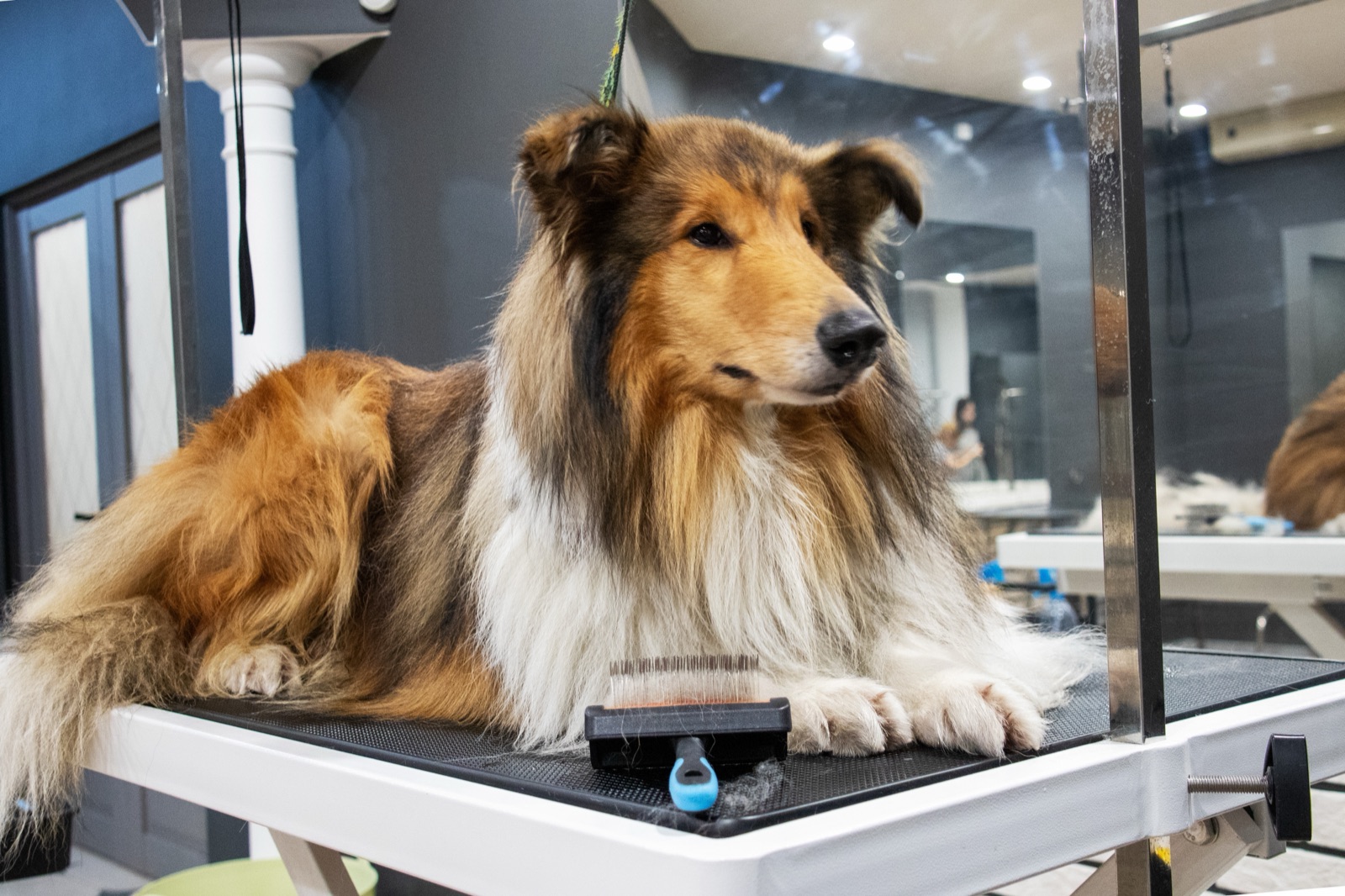
Why coat type matters more than breed name
Grooming schedules are usually written by breed, but the coat is what the groomer is actually working with. A goldendoodle can carry a tight curly coat, a loose wavy coat or something close to a retriever coat, and each one mats and sheds differently. Two dogs of the same breed can also arrive with very different coat lengths, brushing histories and tolerance for handling.
Start by identifying the coat in front of you: short and smooth, double-coated, curly or wavy, long and silky, or wire. Then use the ranges below as a starting point rather than a rule. The groomer who sees the coat in person is the best judge of when it should come back, and Parkwood’s team will tell you at pickup what they saw and when another visit would help.
A grooming schedule by coat type
These intervals assume a dog that is brushed at home between visits and has no active skin or matting problems. If either of those is not true, expect the groomer to suggest a shorter gap. Some families also book a bath-only visit between full grooms, which keeps the coat clean without resetting the whole cycle.
- Short, smooth coats (boxers, beagles, pit bull mixes, pugs): a professional bath and nail trim every 8–12 weeks is plenty for most dogs. Weekly brushing at home with a rubber curry or bristle brush handles the loose hair.
- Double coats (huskies, shepherds, retrievers, corgis, collies): a bath, blow-out and de-shedding every 8–12 weeks, tightening to 6–8 weeks during the spring and fall coat changes. Brush two or three times a week with an undercoat rake or slicker; never shave a double coat unless a veterinarian has a reason.
- Curly and wavy coats (poodles, doodles, bichons, Portuguese water dogs): a haircut every 4–6 weeks, with a brush-and-comb-through at home several times a week. These coats do not shed loose hair out, so anything not brushed turns into a mat.
- Long, silky coats (shih tzus, Yorkies, Maltese, Havanese, Lhasa apsos): a haircut or trim every 4–6 weeks if kept short, closer to every 4 weeks if kept long. Daily or near-daily combing keeps the coat from felting behind the ears and under the legs.
- Wire coats (terriers, schnauzers, wirehaired pointers): a haircut or hand-strip every 6–8 weeks, with weekly brushing. Clipping softens the texture over time, so tell the groomer which finish you prefer.
What changes the interval for your dog
Lifestyle moves a dog up or down the range. A dog who swims at the harbor, rolls in the yard at daycare or walks Baltimore sidewalks in slush picks up more grit and mats faster than a dog who mostly naps indoors. A dog who tolerates brushing well can be kept longer between appointments; a dog who fights the brush is usually happier with a shorter, more frequent cut.
Age and health matter too. Puppies benefit from short, easy early visits so the table, dryer and clippers are familiar before the first real haircut. Seniors and dogs with mobility limits may need shorter sessions more often rather than one long appointment. Skin irritation, hot spots, ear trouble or sudden coat changes are questions for your veterinarian, not something a grooming schedule can fix.
The season is the last big variable. Double-coated dogs blow their undercoat in spring and again in fall, and a de-shedding visit timed to that window removes far more hair than one booked a month early or late. Long and curly coats often get a shorter cut before summer and a longer one heading into winter, which changes how quickly they need attention.
Home brushing is the other half of the schedule
A groomer can only maintain a coat that is kept from matting between visits. Ten minutes with the right tool a few times a week does more than a longer session once a month. Ask the groomer to show you the brush and comb that suit your dog’s coat, and how to check the work: a metal comb should pass from skin to tip without catching, especially behind the ears, in the armpits, under the collar and at the back of the legs.
If the comb catches, that spot is starting to mat. Catching it early means a quick brush-out; catching it late may mean the groomer has to take the coat shorter than you wanted to keep the dog comfortable. This is the most common reason a requested style cannot be completed, and it is the easiest one to prevent.
- Curly, long and double coats: a slicker brush plus a metal comb; add an undercoat rake for double coats.
- Short coats: a rubber curry brush or grooming mitt once a week.
- All coats: check paws, ears and the collar line, where friction mats form first.
Booking a grooming routine at Parkwood
Parkwood offers grooming at Pikesville, 1848 Reisterstown Road, and Locust Point, 1624 Beason Street in South Baltimore. Grooming is not offered at the West Baltimore resort, though West Baltimore daycare and boarding families are welcome at either grooming location. Services include baths, coat brushing, nail trimming, ear cleaning, teeth brushing, haircuts and de-shedding, and appointments can be booked online at parkwood.pet/book-grooming.
Many families pair grooming with a daycare day so the dog plays in the morning and goes home clean. Whatever the routine, bring a current rabies vaccination record to the first drop-off, tell the groomer how the coat has been brushed at home, and ask for a recommended return date before you leave. Booking the next appointment while the coat is in good shape is the simplest way to keep it there.
Common questions
Frequently asked questions
How often should a doodle be groomed?
Most curly and wavy doodle coats need a haircut every 4–6 weeks, with brushing and combing at home several times a week. A doodle kept in a longer style, or one that is not brushed between visits, usually needs the shorter end of that range.
Do short-haired dogs need professional grooming?
Less often, but yes. A bath, nail trim, ear cleaning and de-shedding every 8–12 weeks keeps a smooth coat and skin in good shape, and the groomer often notices nail, ear or skin changes before an owner does.
Can I wait longer between grooms if I brush at home?
Often, within reason. Consistent brushing that reaches the skin is what lets a coat stretch to the longer end of its range. Ask the groomer to check your brushing at each visit and to adjust the return date based on what they find.
Should a double-coated dog be shaved in summer?
Generally no. The undercoat insulates against heat as well as cold, and shaving can change how the coat grows back. A bath, blow-out and de-shedding removes the loose undercoat instead. If you have a medical reason to consider shaving, talk with your veterinarian first.
Confirm services with the right Parkwood location
Use our published service and location details to plan your questions. Confirm current availability, pricing and your dog’s eligibility with the resort before booking.
Keep planning