Working and sporting breed guide
Daycare for High-Energy Breeds: Huskies, Shepherds, Doodles and Pointers
Huskies were bred to run, shepherds to work all day, pointers to cover ground, and doodles inherit some unpredictable mix of retriever and poodle drive. A walk before work and a walk after rarely satisfies them, and the evidence shows up in chewed furniture and a dog who cannot settle. Daycare can be a real answer for these dogs, but only when the day is structured, and only for the individual dog in front of you rather than the breed on paper.
Parkwood Pet Resort · Updated September 27, 2026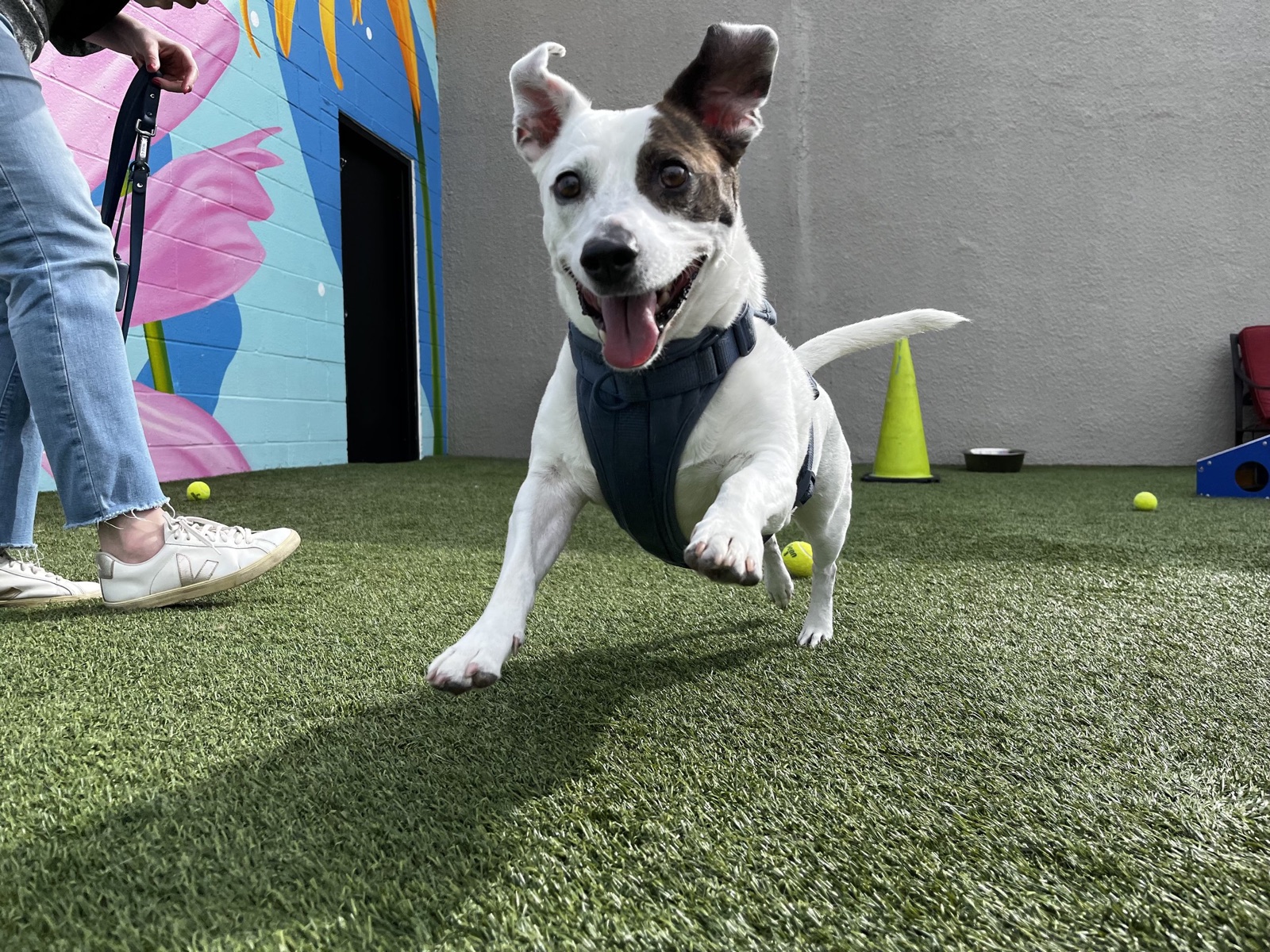
What these dogs actually need from a day
The common thread across huskies, German and Australian shepherds, pointers, vizslas, border collies and many doodles is that they were selected to work for hours and to think while doing it. Left with nothing to do, they invent a job: patrolling windows, shredding cushions, herding children, digging. What they need is not simply more running. They need an outlet for the body, work for the brain, and enough rest to reset between the two.
A good daycare day supplies the first two through matched play: chasing, wrestling, reading other dogs and adjusting to them is physically and mentally demanding in a way that a leash walk is not. The third comes from the structure of the day. Parkwood runs morning playgroups from 7:30 am, a siesta with lunch at 12:30 pm, afternoon play from 2:00 pm and an evening wind-down with dinner at 6:30 pm. For a high-drive dog, the siesta is not an interruption; it is what lets the afternoon go well.
Why a free-for-all backfires with high-drive dogs
The instinct is that a dog with this much energy should be allowed to burn it all off. In practice, unbroken group play does the opposite for many working breeds: arousal climbs, play gets rougher, herding turns into chasing, and a dog who has been going for hours loses the judgment it had at nine in the morning. Some dogs come home not tired but wired, and are harder to live with that evening than if they had stayed home.
That is why group composition matters as much as the yard. Parkwood matches playgroups by size, energy and temperament, so a shepherd who wants to run with dogs who run is not stuck policing a slower group, and a dog who plays hard is placed with dogs who can say no. Staff step in before play tips over, and the day’s rests are protected rather than optional.
- Look for: matched groups, staff who interrupt and redirect, a real midday rest, and water everywhere.
- Be wary of: one big yard for everyone, no rest until pickup, and a promise that your dog will be exhausted.
Breed is a starting point, not a verdict
Doodles are the clearest example. A goldendoodle may lean retriever, soft and social, or poodle, sharp and intense, and two litter-mates can differ wildly. Huskies range from playful and dog-social to independent and aloof. Shepherds can be steady workers or watchful dogs who find a busy group stressful. Pointers often want to run more than wrestle. None of this can be read from a breed name.
This is what the temperament assessment that every Parkwood dog completes before group play is for. The team watches how your dog greets, handles, plays, responds to interruption and comes down after excitement, and places it accordingly. A high-energy dog who is also dog-selective, or who fixates and cannot let go, may need a smaller group or a different plan, and the team should say so rather than force it.
Choosing the length and frequency
A full day at Parkwood is $46 for up to 13.75 hours, and it is the right product for most stable, dog-social working breeds once they know the routine. But it is not automatic. Some high-drive dogs do better on a half day of up to 4.5 hours, $35, plus a run or a training session at home, because they get more keyed up the longer they stay in a group. Start shorter on the first visits and extend on evidence.
Frequency matters too. Many high-energy dogs settle best on a consistent two to four days a week, with rest days in between, rather than five days in a row that leave no time to recover. Passes of 5, 10 and 20 days fit that kind of schedule. Use pickup, dinner, sleep and the next morning as your scorecard: pleasantly tired, hungry and normal the next day means the dose is right.
What daycare does not replace
Working breeds still need a job with you. Training, scent games, fetch with rules, a long weekend hike, or a sport that uses the drive they were bred with are part of a good life for these dogs, and daycare does not stand in for them. Nor does it fix a behavior problem on its own; a dog who is reactive on leash or destructive from anxiety needs a plan that may include a trainer or your veterinarian.
What daycare does well for these dogs is fill the long, empty middle of the workday with company, movement and mental work, in a setting where someone is watching. New families start with a free tour and trial day at parkwood.pet/tour, where you can see the yards at Pikesville, Locust Point or West Baltimore, and check the live webcams afterward to watch how your dog actually spends a day.
Common questions
Frequently asked questions
Is daycare enough exercise for a husky or shepherd?
For most dog-social working breeds, a structured daycare day provides substantial physical and mental exercise. It works best alongside training and activities at home rather than as the only outlet, and the right length and frequency depend on how your dog recovers.
Will my high-energy dog be put with dogs who can keep up?
Parkwood matches playgroups by size, energy and temperament, based on the temperament assessment every dog completes before group play. A dog who wants to run is placed with dogs who run, under staff who interrupt play before it escalates.
My doodle is unpredictable around other dogs. Is daycare still an option?
Possibly. Doodles vary a great deal, which is why the assessment looks at the individual dog. Describe what you see at home honestly, and the team will decide on a group and pace, or tell you plainly if a different setting suits your dog better.
Should a high-energy dog always do full days?
No. Full days suit dogs who rest at siesta and come home pleasantly tired. If your dog comes home wired, a half day or fewer days per week, plus activity at home, often works better. Start shorter and extend on evidence.
Confirm services with the right Parkwood location
Use our published service and location details to plan your questions. Confirm current availability, pricing and your dog’s eligibility with the resort before booking.
Keep planning