First-time puppy boarding guide
Boarding a Puppy for the First Time: What to Do Before the First Night
A puppy’s first night away from home is a bigger step than a first daycare day, and the two should not happen at the same time. The best first boarding stay is short, comes after a trial day the puppy already handled well, and is built on a routine the team can actually keep.
Parkwood Pet Resort · Updated September 27, 2026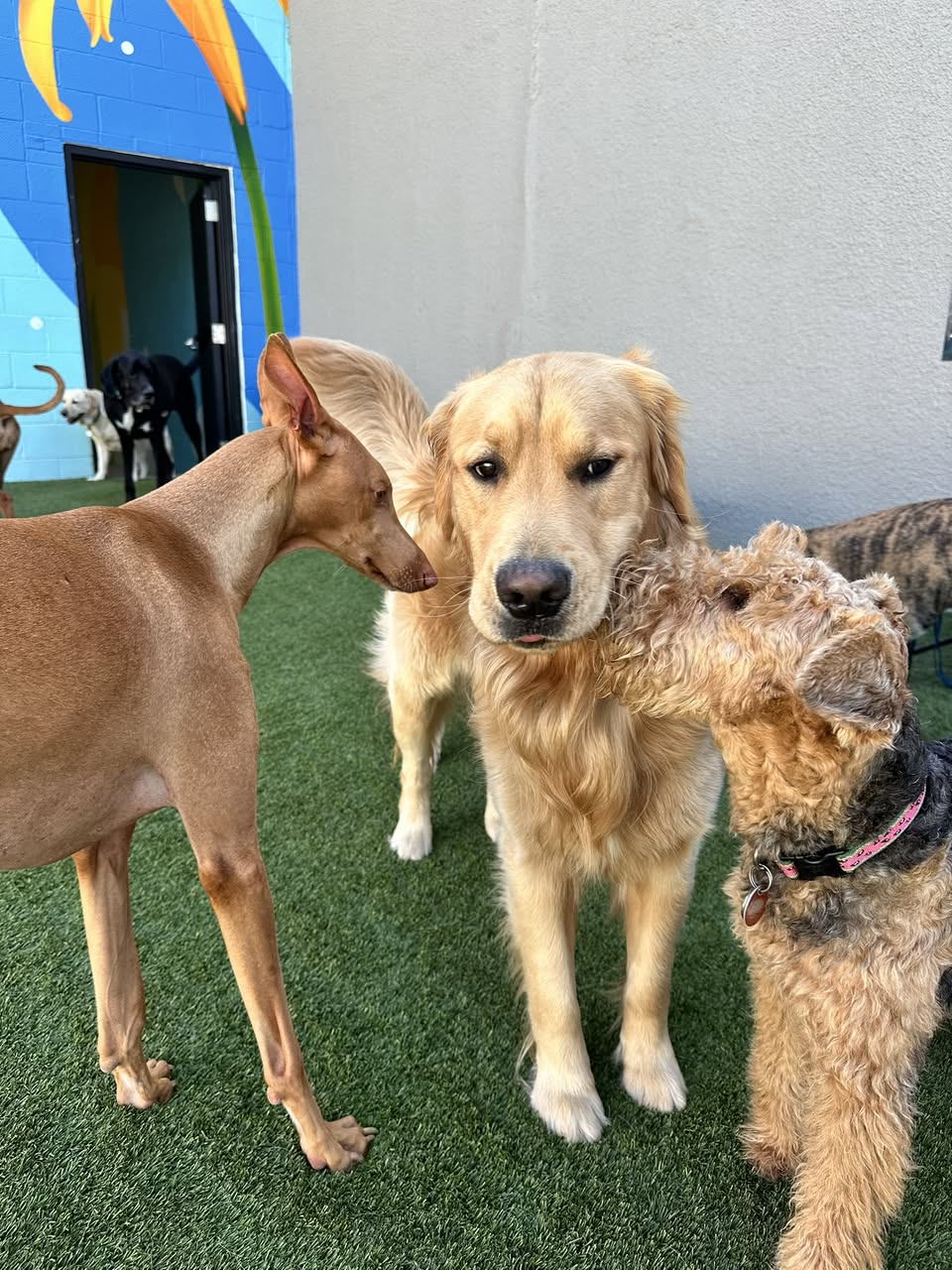
Ask your veterinarian about timing first
A boarding facility cannot and should not decide when a young dog is protected enough for a shared environment. Parkwood requires current records for rabies, distemper, parainfluenza, leptospira, canine influenza and Bordetella, plus an annual fecal test. Some are given in a series, so the answer to “can my puppy board yet” usually comes from your veterinarian’s calendar, not the resort’s.
Ask at a routine puppy visit when each required series will be complete and whether this particular puppy should wait longer for any reason. Send records to the resort as soon as the last dose is on file so the review is done before you need care.
Start with the free tour and trial day
New Parkwood families begin with a free tour and trial day, and for a puppy this is not a formality. The trial day includes the temperament assessment every new social guest completes before group play. It shows the team how your puppy handles new people, dogs and a busy room, and shows you how your puppy comes home: tired and content, or overstimulated.
Use the tour to look at the overnight rooms, not only the yard. Ask where a young dog would sleep, how often the team checks on overnight guests and how play starts the next morning. If the trial day goes well, add a daycare day or two before the first overnight so the building is familiar.
What a boarding day looks like for a puppy
For an eligible social guest, boarding at Parkwood includes daytime play. Playgroups are matched by size, energy and temperament, so a four-month-old is not simply dropped into a yard of adult dogs. The day has a rhythm: doors open at 6:15 am, morning play, a midday siesta and lunch, afternoon play, dinner and an evening wind-down before the lobby closes at 8:00 pm.
At night every guest has a private room with a real bed. A small-dog cabin is $65 per night for dogs under 20 pounds, an overnight room is $85, and Pikesville also offers a standard cabin at $75 and a luxury bedroom at $110 with 24-hour camera access. For a puppy who will grow past 20 pounds during the stay, ask the resort which room is appropriate rather than assuming the cabin still fits.
Pack for a young dog, not a seasoned traveler
Puppies have sensitive stomachs, so bring the exact food your puppy eats now, pre-portioned by meal, with a day or two extra, and do not switch brands in the week before boarding. Write down how many meals a day and how much; a puppy’s schedule is often different from an adult’s and the team follows your instructions.
Ask before packing chews or toys. Some items are fine in a private room and some are not safe unsupervised, and the resort will tell you which. One familiar item, such as a small blanket that smells like home, is enough. Leave the expensive bed at home; the room already has one, and a teething puppy is hard on anything soft.
- Current food, portioned and labeled by meal and day
- Any medication or supplement in its original container with written directions
- One familiar, washable comfort item
- A chew or toy the resort has approved for a private room
- Your veterinarian’s contact information and a local emergency contact
Keep the first stay short and ask for details at pickup
One or two nights is a reasonable first stay. A week-long trip is not the time to learn that your puppy does not sleep in a new place. At pickup, ask questions that produce information rather than reassurance: Did the puppy eat every meal? Sleep through the night? Have accidents in the room? Settle after the morning transition into play? A good answer describes behavior.
Expect a tired puppy that evening, and expect the second stay to be easier. Daily photo updates and live webcams show you the day from anywhere, but the pickup conversation is where you learn whether boarding fits this dog at this age.
Common questions
Frequently asked questions
How old does a puppy need to be to board at Parkwood?
A puppy needs current required vaccination records, an annual fecal test and a completed temperament assessment. Ask your veterinarian when the vaccine series is complete enough for group care.
Should my puppy do daycare before boarding?
Yes. Start with the free tour and trial day, add a daycare day or two, then a short overnight stay. Each step makes the building, the people and the routine familiar before the first night away.
Will my puppy play with adult dogs?
Playgroups at Parkwood are matched by size, energy and temperament, and a puppy joins group play only after the assessment. Ask the team how your puppy will be grouped and how much rest is built into the day.
What if my puppy does not eat while boarding?
Tell the team in advance how your puppy eats at home and whether a topper helps. The team follows your meal instructions and can tell you what happened at each meal.
Confirm services with the right Parkwood location
Use our published service and location details to plan your questions. Confirm current availability, pricing and your dog’s eligibility with the resort before booking.
Keep planning